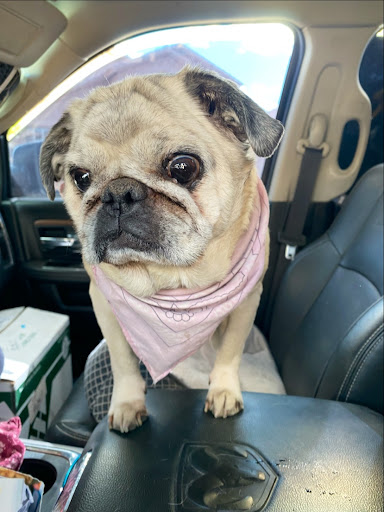

Summer is an exciting time for many families. Vacations, outdoor adventures, neighborhood celebrations, and holiday gatherings create lasting memories. Unfortunately, summer also brings fireworks displays and seasonal storms that can be frightening for pets. While some dogs simply perk up their ears when they hear a loud boom, others experience genuine panic that can place both their emotional and physical health at risk.
At Gilbert Queen Creek Emergency Veterinary Hospital & Specialty Center, we frequently care for pets that have injured themselves while trying to escape loud noises or whose anxiety has become severe enough to require medical attention. Knowing how to recognize the signs of fear and preparing before stressful events occur can help keep your pet safe and may even prevent an emergency.
Anxiety Is More Than Being “Scared”
It’s easy to think of fireworks as just another loud sound, but for many pets, they trigger a much deeper response.
When a dog or cat perceives danger, the nervous system immediately releases stress hormones that prepare the body for survival. Heart rate increases, breathing becomes faster, muscles tense, and the brain focuses entirely on finding safety.
Unlike people, pets don’t understand that fireworks are temporary or harmless. To them, every explosion can feel like an immediate threat.
Without intervention, repeated frightening experiences may cause anxiety to become progressively worse each year.
Emergency Hospitals See an Increase During Fireworks Holidays
One of the busiest times for emergency veterinary hospitals is around major fireworks celebrations.
Some pets become so frightened that they:
- Break through windows or screen doors
- Jump fences
- Run into traffic
- Injure themselves while hiding
- Become overheated after prolonged panic
- Escape from collars or harnesses
Even pets that have never attempted to run away before may react unpredictably during periods of intense fear.
Taking preventive measures before fireworks begin is often the best way to avoid an emergency situation.
Recognizing Early Warning Signs
Anxiety doesn’t always begin with obvious panic.
Many pets show subtle changes before fear escalates.
Watch for:
- Increased alertness
- Constant scanning of the environment
- Pinned-back ears
- Dilated pupils
- Lip licking
- Yawning unrelated to sleep
- Refusing treats they normally love
- Seeking constant reassurance
- Restlessness
As anxiety increases, these signs may progress to shaking, hiding, excessive vocalization, destructive behavior, or escape attempts.
Learning your pet’s earliest warning signs gives you the opportunity to intervene before panic develops.
Create a Plan Before Summer Holidays Arrive
Waiting until fireworks have already started limits your options.
Instead, prepare several days in advance.
Review local event schedules so you know when fireworks are expected.
Make sure your pet has:
- Current identification tags
- An updated microchip registration
- Any prescribed medications filled ahead of time
- A quiet place prepared inside your home
Having a plan reduces stress for both you and your pet.
Exercise and Mental Enrichment Matter
Physical activity is an excellent way to help reduce excess nervous energy.
For dogs, schedule walks during cooler morning hours before temperatures climb. Interactive games like fetch, scent work, or obedience training provide both physical and mental stimulation.
Cats also benefit from enrichment. Climbing trees, window perches during quiet hours, interactive wand toys, and food puzzles help keep their minds engaged.
A mentally satisfied pet is often better prepared to cope with stressful situations later in the day.
Build a Comfortable Indoor Environment
Your home can become a safe haven during fireworks and storms.
Close blinds and curtains before dark to reduce flashing lights.
Run the television, calming music, or white noise to soften outside sounds.
Keep pets away from exterior doors and windows where noises may seem louder.
If your pet already has a favorite resting area, consider enhancing it with additional blankets or familiar bedding.
Allow them to choose where they feel safest.
Support Without Forcing
Every pet responds differently to fear.
Some dogs want to stay pressed against their owner’s side for reassurance.
Others prefer to retreat quietly into another room.
Cats often choose elevated shelves, closets, or spaces beneath furniture.
Respect your pet’s coping style.
Avoid forcing them into social situations or trying to pull them from a hiding place unless necessary for safety.
Your calm presence alone is often reassuring.
Medical Options Can Improve Quality of Life
For pets with moderate or severe anxiety, behavioral management alone may not be sufficient.
Modern veterinary medicine offers several treatment options that can significantly improve your pet’s comfort during stressful events.
These may include:
- Prescription anti-anxiety medications
- Long-term behavioral therapy
- Nutritional supplements
- Calming pheromone products
- Compression garments
- Environmental modification strategies
The best treatment depends on your pet’s age, medical history, and severity of symptoms.
A consultation before fireworks season allows enough time to determine which approach works best.
Thunderstorms Can Be Just as Frightening
While fireworks receive much of the attention, Arizona’s monsoon season creates similar challenges.
Many pets become anxious before thunder is even audible.
They may detect:
- Changes in atmospheric pressure
- Static electricity
- Distant thunder
- Wind
- Rain hitting windows
- Dust storms
If your pet seems anxious before you notice the weather changing, they’re likely responding to environmental cues humans can’t detect.
Planning ahead for monsoon season is just as important as preparing for fireworks.
After the Noise Ends
Your pet may not return to normal immediately after the fireworks stop.
Allow them time to decompress.
Continue providing access to their safe area.
Offer fresh water and a meal once they appear relaxed.
Resume your regular routine the following day whenever possible.
Most importantly, avoid punishing fearful behavior. Anxiety is an emotional response, not disobedience.
Helping Puppies Build Positive Experiences
Early socialization plays an important role in emotional development.
While young puppies should never be overwhelmed by loud fireworks, introducing them to a variety of everyday sounds, people, and environments in positive ways helps build resilience.
Reward calm behavior frequently and maintain predictable routines during periods of change.
Early confidence-building may reduce the likelihood of developing severe fears later in life.
Compassionate Care for Every Stage of Life
Whether your pet is experiencing their first fireworks season or has struggled with anxiety for years, there are effective ways to help.
At Gilbert Queen Creek Emergency Veterinary Hospital & Specialty Center, our team is dedicated to supporting both the physical and emotional health of pets throughout Queen Creek and the surrounding communities. From preventive guidance to emergency care when it’s needed most, we’re here to help your companion stay safe during every season.
If your pet experiences severe anxiety during fireworks or thunderstorms, don’t wait until the next holiday arrives. Together, we can develop a personalized plan that helps your pet feel calmer, safer, and more confident when summer’s loudest moments occur.